




See what your bloodwork may reveal.

Up to 85 biomarkers across 15 health systems, reviewed by our internal medicine specialist. One blood draw at a Canadian lab. Results back in about a week.
A comprehensive look at your hormone, metabolic, thyroid, and nutritional markers, reviewed by our internal medicine specialist.
Every panel is reviewed by our internal medicine specialist.
One blood draw at a Canadian partner lab in your province.
Heavy metals, mycotoxin, genetics, food sensitivity — available à la carte when you want a deeper assessment.
Pick your panel.
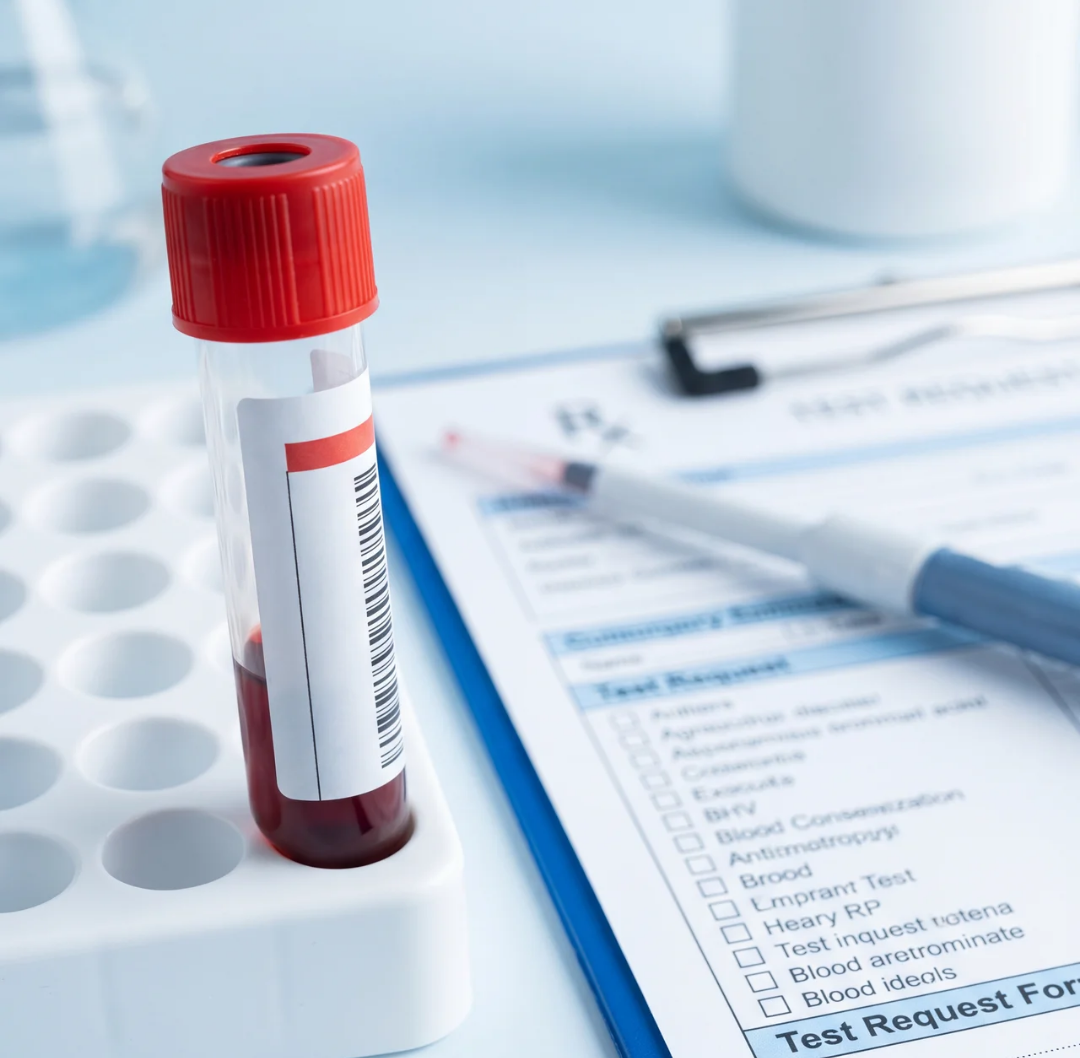
Eligibility

Essential Assessment

Comprehensive
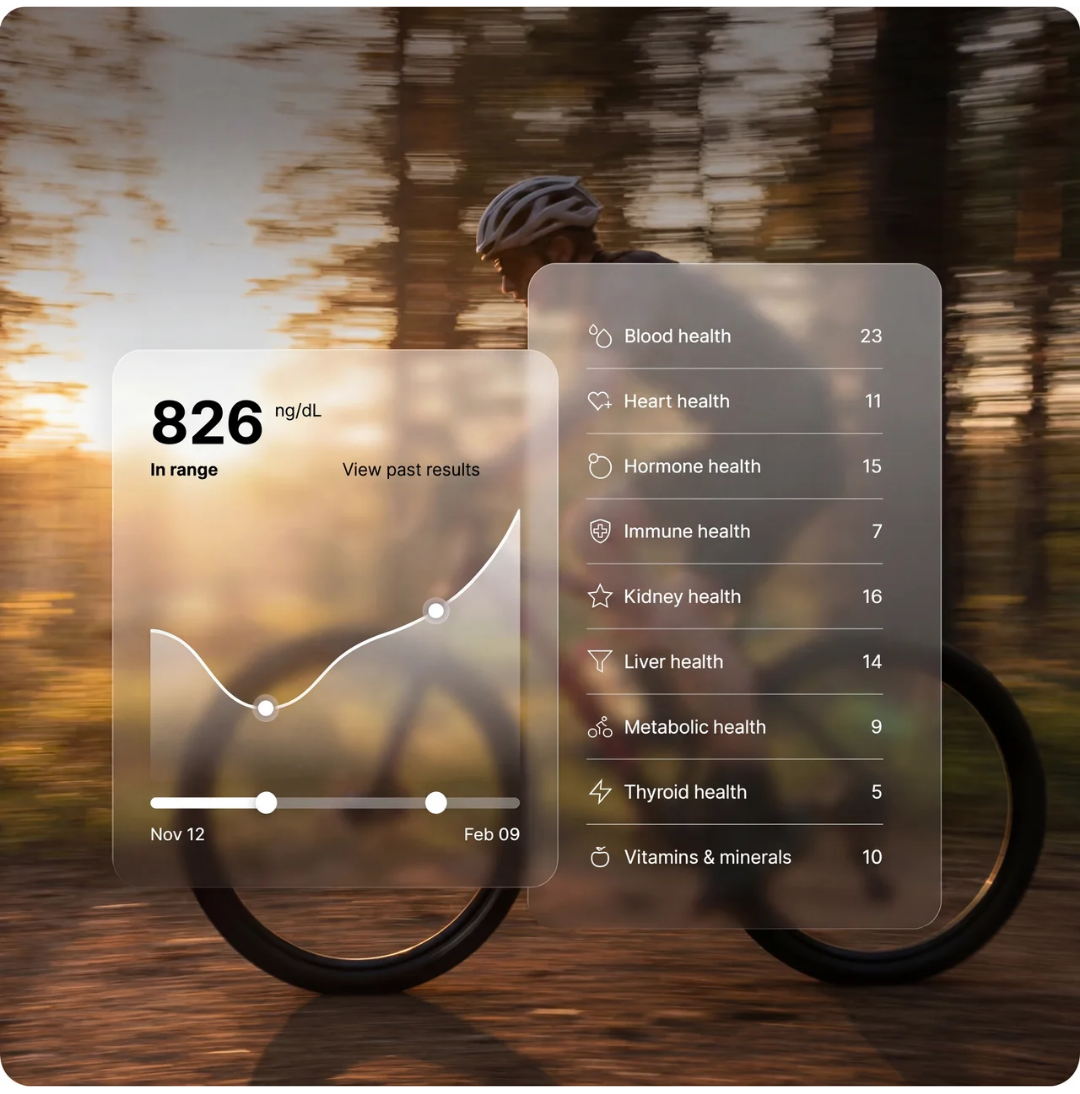
Understand your hormone, thyroid, and metabolic health.
A clear read across your hormone, metabolic, thyroid, and inflammatory markers.

A plan, not just a panel.
Every panel is reviewed by our internal medicine specialist, who writes the supplement, lifestyle, and follow-up next steps that fit your specific results.

Understand the result, not just the number.
- What this number means at your level
- Why it moves and what moves with it
- What it tells you, and what it doesn't

Today’s panel, next year’s baseline.
Most buyers run this once a year as a baseline. If your results show treatment would help, your bloodwork credit applies to a Gambit protocol when you start one.
What we test.
85 biomarkers across 15 health systems. Every marker, what it measures, and which panel it sits on.
- Eligibility
- Essential
- Comprehensive
- Add-on
9 markers
Sex and Reproductive Hormones
Markers may include total testosterone, free testosterone, SHBG, estradiol, LH, FSH, prolactin, progesterone, AMH, and related markers where clinically appropriate.
SHBG (Sex Hormone Binding Globulin)
-
-
-
The protein that binds testosterone in circulation and regulates how much is biologically available. High SHBG can mean total testosterone reads normal while free testosterone runs low.
Estradiol (E2)
-
-
-
The primary form of estrogen in circulation, present in both men and women. In men it reflects how much testosterone is being converted to estrogen; in women it tracks ovarian function across the cycle and into menopause.
Progesterone
-
-
-
A reproductive hormone that rises in the second half of the menstrual cycle and is required for cycle regularity and early pregnancy. Levels also reflect ovulation status and luteal-phase function.
LH (Luteinizing Hormone)
-
-
-
A pituitary hormone that signals the gonads to produce sex hormones. In men it reflects the brain's drive on testicular function; in women it triggers ovulation and tracks reproductive-stage shifts.
FSH (Follicle-Stimulating Hormone)
-
-
-
The other pituitary signal to the gonads, paired with LH on most reproductive panels. Levels indicate egg-reserve status in women and testicular function in men.
Prolactin
-
-
-
A pituitary hormone elevated by stress, certain medications, and prolactinomas. High prolactin can suppress testosterone in men and disrupt cycles in women, so it sits on every reproductive panel.
DHEA-S
-
-
-
An adrenal hormone that serves as a precursor to both testosterone and estrogen. Levels reflect overall adrenal output and tend to decline steadily with age.
Androstenedione
-
An adrenal and gonadal precursor that converts into both testosterone and estrogen. Particularly informative on women's panels where it tracks PCOS-pattern androgen excess.
AMH (Anti-Müllerian Hormone)
-
-
A marker of ovarian reserve, reflecting the size of the resting follicle pool. AMH levels are relatively stable across the menstrual cycle, which makes it a useful complement to FSH and estradiol on a reproductive panel, particularly in the context of fertility evaluation.
4 markers
Metabolic Health and Blood Sugar
Markers may include fasting glucose, fasting insulin, HbA1c, and related cardiometabolic indicators.
Fasting Glucose
-
-
-
Measures the level of glucose in your blood after an overnight fast. The standard screen for diabetes and prediabetes, though it tends to move late in the progression of insulin resistance.
Fasting Insulin
-
-
-
Measures the amount of insulin your pancreas is producing at rest. Fasting insulin can rise well before fasting glucose moves out of range, so it is associated with early shifts in insulin sensitivity that a glucose-only screen would miss.
HbA1c (Hemoglobin A1c)
-
-
-
Reflects average blood-sugar levels over the prior three months by measuring the percentage of hemoglobin that has bound glucose. A more stable read than a single fasting glucose draw.
HOMA-IR (Insulin Resistance calculation)
-
-
A calculation derived from fasting glucose and fasting insulin that estimates the degree of insulin resistance at rest. HOMA-IR can shift before fasting glucose alone moves out of range and is read alongside the other metabolic markers on the panel rather than on its own.
8 markers
Heart Health and Cardiovascular Risk
Markers may include total cholesterol, LDL, HDL, triglycerides, ApoB, hs CRP, homocysteine, and related markers where clinically appropriate.
Total Cholesterol
-
-
The combined level of all cholesterol fractions in your blood. A starting read on cardiovascular profile, though the breakdown into LDL, HDL, and triglycerides carries more interpretive weight than the total alone.
LDL Cholesterol
-
-
Low-density lipoprotein cholesterol — the fraction associated with plaque buildup in artery walls. The standard read on atherogenic cholesterol, paired with ApoB on a comprehensive panel for greater specificity.
HDL Cholesterol
-
-
High-density lipoprotein cholesterol — the fraction that transports cholesterol back to the liver for clearance. Higher levels are associated with lower cardiovascular risk.
Triglycerides
-
-
A type of fat in the blood that rises with carbohydrate intake, alcohol, and insulin resistance. Elevated triglycerides are associated with metabolic dysfunction and cardiovascular risk.
Complete Lipid Panel
-
-
The full lipid set drawn from a single sample — total cholesterol, LDL, HDL, and triglycerides — reported together with the calculated ratios labs derive from them.
ApoB (Apolipoprotein B)
-
-
Measures the count of plaque-forming particles in your blood directly, rather than the cholesterol cargo they carry. ApoB is considered one of the more specific markers of atherogenic cardiovascular risk and is increasingly recommended in addition to a standard lipid panel.
hs-CRP (high-sensitivity C-Reactive Protein)
-
-
-
A high-sensitivity measure of low-grade systemic inflammation. Persistently elevated hs-CRP is associated with cardiovascular risk independent of cholesterol levels.
Homocysteine
-
-
An amino acid that accumulates when B-vitamin metabolism is impaired. Elevated levels are associated with vascular inflammation and cardiovascular risk and often track back to low B12 or folate.
5 markers
Thyroid Function
Markers may include TSH, free T4, free T3, thyroid antibodies, and reverse T3 where clinically appropriate.
TSH (Thyroid Stimulating Hormone)
-
-
-
A pituitary hormone that signals the thyroid to produce T4 and T3. The standard first-line thyroid screen, though TSH alone can sit inside the reference range while downstream thyroid hormones run out of yours.
Free T4
-
-
-
The unbound, biologically available form of thyroxine — the main hormone the thyroid produces. Levels indicate how much T4 is actually circulating and available to tissues for conversion to active T3.
Free T3
-
-
-
The unbound, biologically active form of triiodothyronine — the thyroid hormone that does the work at the cellular level. Often runs low in cases of impaired T4-to-T3 conversion.
Reverse T3
-
-
An inactive isomer of T3 produced under stress, illness, or caloric restriction. Elevated reverse T3 is associated with situations where T4-to-T3 conversion shifts toward the inactive form, and is read alongside Free T3 and Free T4 on a comprehensive thyroid panel.
TPO Antibodies
-
-
Antibodies against thyroid peroxidase, the enzyme involved in thyroid hormone production. Elevated TPO antibodies are associated with autoimmune thyroid conditions, including Hashimoto's thyroiditis, and can be present years before standard thyroid markers shift.
3 markers
Adrenal and Stress Response
Markers may include DHEA S, morning cortisol, and related markers where clinically appropriate.
Cortisol AM
-
-
-
-
Measures cortisol levels drawn in the early morning, when they should be at their daily peak. The standard read on adrenal output and a baseline for diagnosing high-cortisol or low-cortisol patterns.
DHEA-S
-
-
-
The other primary adrenal hormone, often read alongside morning cortisol to map the adrenal output ratio. Tends to decline with age and with sustained HPA-axis activation.
ACTH (Adrenocorticotropic Hormone)
-
-
-
The pituitary hormone that signals the adrenal glands to produce cortisol. Reading ACTH alongside cortisol can indicate whether a cortisol abnormality originates in the adrenal glands or upstream in the pituitary.
2 markers
Growth Factors and Recovery
Assessment may include relevant clinical history and selected markers such as IGF 1 where clinically appropriate. Further evaluation may be recommended when indicated.
hGH (Human Growth Hormone)
-
-
The pituitary hormone that supports tissue repair, lean mass, and the deeper stages of sleep. hGH is pulsatile and difficult to interpret from a single draw, so it is typically read alongside IGF-1.
IGF-1 (Insulin-like Growth Factor 1)
-
-
A liver-produced hormone that reflects integrated growth-hormone activity over the prior several days. Considered the more stable read on growth-hormone status and tends to decline gradually from the late twenties forward.
5 markers
Vitamins and Nutrients
Markers may include vitamin D, B12, folate, ferritin, iron studies, magnesium, and related markers where clinically appropriate.
Vitamin D
-
-
Measures 25-hydroxyvitamin D, the storage form that reflects overall vitamin D status. Low levels are associated with fatigue, mood changes, bone-density loss, and immune dysfunction, and are common in Canadian climates.
Vitamin B12
-
A water-soluble vitamin required for red blood cell formation, neurological function, and energy metabolism. Low B12 is associated with fatigue, cognitive symptoms, and a specific pattern of anemia.
Folate
-
A B-vitamin required for DNA synthesis, red blood cell production, and homocysteine metabolism. Often read alongside B12 because the two work together and deficiency in either produces similar symptoms.
Magnesium
-
-
A mineral involved in over three hundred enzymatic reactions, including muscle function, nerve signalling, and sleep regulation. Low magnesium is associated with cramps, poor sleep, anxiety symptoms, and elevated blood pressure.
Zinc
-
-
A trace mineral involved in immune function, wound healing, testosterone production, and taste perception. Zinc deficiency is associated with frequent infections, slow healing, and hormone disruption in men.
5 markers
Liver Health
Markers may include ALT, AST, ALP, GGT, bilirubin, albumin, and related liver function markers.
ALT (Alanine Aminotransferase)
-
An enzyme released into the bloodstream when liver cells are damaged or stressed. Elevated ALT is associated with fatty liver disease, viral hepatitis, alcohol load, and medication effects.
AST (Aspartate Aminotransferase)
-
A liver enzyme also found in muscle, often read alongside ALT to interpret the source and pattern of liver stress. The AST-to-ALT ratio can suggest specific underlying causes.
ALP (Alkaline Phosphatase)
-
An enzyme produced primarily in the liver and bone. Elevated levels can suggest bile-duct issues, certain liver conditions, or bone turnover, depending on the clinical context.
GGT (Gamma-Glutamyl Transferase)
-
A liver enzyme sensitive to alcohol intake and biliary-tract stress. Elevated GGT alongside elevated ALP suggests a bile-flow problem; elevated GGT alone often reflects alcohol load or oxidative stress.
Liver Enzymes Panel
-
The bundled enzyme set — ALT, AST, ALP, GGT — reported together from a single sample. Reading them as a pattern carries more interpretive weight than any single enzyme on its own.
3 markers
Kidney and Organ Function
Markers may include creatinine, eGFR, electrolytes, CMP markers, and related safety markers.
eGFR (Estimated Glomerular Filtration Rate)
-
-
A calculation from blood creatinine that estimates how well your kidneys are filtering. The standard read on kidney function and a baseline that influences how other markers are interpreted.
Comprehensive Metabolic Panel (CMP)
-
A bundled panel measuring glucose, electrolytes, calcium, kidney filtration markers, liver enzymes, and protein balance. A broad organ-system foundation read most other panels are interpreted against.
Kidney Function Panel
-
The bundled kidney-specific subset — creatinine, eGFR, BUN, and electrolyte balance — reported together. Measures both filtration capacity and the downstream electrolyte regulation the kidneys manage.
3 markers
Blood Health and Iron Status
Markers may include CBC with differential, ferritin, iron, transferrin saturation, and related markers.
CBC (Complete Blood Count) with differential
-
-
A bundled panel measuring red blood cells, white blood cells across their five subtypes, platelets, and red cell size and shape. Captures oxygen-carrying capacity and the immune cell baseline in one draw.
Ferritin
-
-
The protein that stores iron in your body. Ferritin reflects total iron stores and can run low for months before standard hemoglobin reads as anemic — associated with fatigue, hair shedding, and reduced exercise tolerance.
Iron
-
Measures the amount of iron currently in circulation, distinct from the stored iron ferritin tracks. Read together with ferritin and CBC, the three markers separate functional iron deficiency from depleted iron stores.
4 markers
Preventative Genetics
Optional genetic and pharmacogenomic insights may be reviewed by clinicians where clinically relevant.
Hereditary Cancer Risk Panel
-
A genetic panel testing for inherited variants associated with elevated lifetime risk of specific cancers, including variants in BRCA1, BRCA2, and Lynch syndrome genes. Results inform how cancer surveillance is approached over time and complement standard blood-marker testing.
Cardiovascular Genetics
-
A panel testing for inherited variants associated with familial hypercholesterolemia and other genetic patterns of cardiovascular risk. Results inform how cardiovascular markers are monitored and interpreted over time.
Hereditary Arrhythmia Panel
-
A genetic panel covering variants associated with inherited heart-rhythm conditions such as long QT syndrome. Particularly relevant when there is a family history of unexplained cardiac events.
Metabolic Condition Screening
-
A genetic panel screening for inherited susceptibility to metabolic conditions including type 2 diabetes and obesity-related variants. Provides a baseline risk read that complements metabolic blood markers.
3 markers
Food Sensitivity Testing
Optional testing may be considered as part of a broader clinical discussion where appropriate.
IgE Food Allergy Panel
-
Measures IgE antibodies — the immune class responsible for immediate, classical allergic reactions to specific foods. The standard test for diagnosing true food allergies.
IgG Food Sensitivity Panel
-
Measures IgG antibodies against a panel of common foods. Some clinicians use IgG patterns alongside elimination-diet observations to evaluate delayed-onset food reactions; the framework is not universally accepted and IgG is offered as part of a broader workup rather than a stand-alone diagnostic test.
IgG4 Food Reactivity Panel
-
Measures IgG4 antibodies — a specific subclass associated with chronic food exposure patterns and longer-term immune tolerance. Read alongside the IgG panel for a fuller food-reactivity picture.
12 markers
Heavy Metals
Optional heavy metal testing may be considered when exposure history or symptoms suggest further evaluation may be appropriate.
Lead (Pb)
-
Measures lead exposure, which accumulates in soft tissue and bone over years. Associated with fatigue, cognitive symptoms, hypertension, and developmental concerns; common exposure routes include older plumbing, occupational dust, and imported pottery.
Mercury (Hg)
-
Measures mercury exposure from dietary sources (predominantly large fish) and occupational contact. Elevated mercury is associated with neurological symptoms, fatigue, and immune dysregulation.
Arsenic (As)
-
Measures arsenic exposure from contaminated water, certain foods (notably rice), and industrial sources. Chronic long-term exposure is associated with cardiovascular effects, skin changes, and increased risk of some forms of cancer.
Cadmium (Cd)
-
Measures cadmium exposure from tobacco smoke, industrial sources, and certain foods. Cadmium accumulates in the kidneys and is associated with renal stress and bone density loss.
Aluminum (Al)
-
Measures aluminum exposure from cookware, antiperspirants, certain medications, and industrial sources. Elevated levels are associated with neurological symptoms and kidney-clearance issues.
Antimony (Sb)
-
Measures antimony exposure, most often from industrial contact and certain consumer products. Elevated levels are associated with respiratory and cardiovascular effects.
Barium (Ba)
-
Measures barium exposure, typically from industrial sources or contaminated water. Chronic exposure is associated with cardiovascular and gastrointestinal effects.
Beryllium (Be)
-
Measures beryllium exposure, most commonly occupational from aerospace, electronics, and metalworking industries. Associated with chronic lung disease in exposed workers.
Bismuth (Bi)
-
Measures bismuth levels, most often elevated from chronic use of bismuth-containing medications. Elevated bismuth is associated with neurological symptoms in sustained-exposure cases.
Nickel (Ni)
-
Measures nickel exposure, common from jewellery, industrial contact, and certain foods. Associated with contact-dermatitis patterns and chronic inflammation in sensitized individuals.
Thallium (Tl)
-
Measures thallium exposure, rare in routine settings but possible from industrial sources or environmental contamination. Associated with neurological symptoms, hair loss, and gastrointestinal effects.
Uranium (U)
-
Measures uranium exposure, typically from contaminated water in specific regions or occupational contact. Chronic exposure is associated with kidney effects.
18 markers
Environmental and Mold
Optional environmental health testing may be considered when exposure history, symptoms, or clinical context support further evaluation.
TGF-β1 (Transforming Growth Factor Beta 1)
-
A cytokine elevated in chronic inflammatory states, including biotoxin-driven illness. One of three first-line CIRS markers used to indicate ongoing inflammatory activation.
MMP-9 (Matrix Metalloproteinase 9)
-
An enzyme released during inflammatory tissue remodelling, elevated in many CIRS cases. Associated with the vascular inflammation pattern that drives many of the chronic symptoms.
MSH (Melanocyte-Stimulating Hormone)
-
A regulatory hormone that runs low in chronic biotoxin exposure. Low MSH is associated with sleep disruption, gut symptoms, and immune dysregulation.
C4a (Complement Component 4a)
-
A complement-system fragment released during immune activation. Elevated C4a is associated with the inflammatory pattern of biotoxin-driven illness and tracks symptom activity.
VEGF (Vascular Endothelial Growth Factor)
-
A signaling protein involved in vascular function and oxygen delivery. Abnormal VEGF — often low — is one of the markers described in evaluation frameworks for biotoxin-related illness, read alongside the other inflammatory markers on the panel.
ACTH (Adrenocorticotropic Hormone)
-
-
-
The pituitary signal driving cortisol production, read in the CIRS context alongside cortisol to interpret HPA-axis disruption that often accompanies biotoxin illness.
Cortisol (basal/diurnal)
-
A second cortisol read in the CIRS workup, used together with ACTH to capture rhythm patterns rather than a single morning level.
ADH (Antidiuretic Hormone)
-
A pituitary hormone that regulates fluid balance, often dysregulated in CIRS. Abnormal ADH is associated with the thirst, frequent urination, and electrolyte patterns common in biotoxin illness.
Osmolality
-
Measures the concentration of solutes in your blood, used alongside ADH to interpret fluid and electrolyte regulation in CIRS cases.
Leptin
-
A hormone that signals satiety and energy balance. Often elevated in CIRS and associated with the weight-regulation difficulties many patients report.
DHEA-S (CIRS context)
-
A second read on DHEA-S in the CIRS workup, used to capture HPA-axis impact in cases where adrenal function appears affected by sustained biotoxin exposure.
Ferritin (CIRS context)
-
A second read on ferritin in the CIRS workup. Ferritin can run high as an acute-phase reactant in chronic inflammation, distinct from its more familiar role tracking iron stores.
Vitamin D (CIRS context)
-
A second read on vitamin D in the CIRS workup. Low vitamin D is associated with the immune dysregulation pattern seen in many biotoxin-illness cases.
Zinc (CIRS context)
-
A second read on zinc in the CIRS workup. Zinc status often shifts with chronic immune activation and tracks alongside the other inflammation markers.
Antigliadin IgA
-
An antibody against gliadin, a wheat protein. Used in the CIRS context to identify gluten-driven immune activation that can overlap with biotoxin symptoms.
Antigliadin IgM
-
A complementary antibody against gliadin in a different immune class, read alongside Antigliadin IgA to capture both recent and longer-standing gluten-related immune activity.
HLA-DR/DQ
-
A genetic typing of immune-system surface markers associated with susceptibility to chronic biotoxin illness. Identifies the inherited HLA patterns linked to reduced biotoxin clearance.
Mycotoxin Testing
-
A specialty test quantifying specific mycotoxins — the toxic compounds produced by mold — in serum or urine. Available as either a serum send-out or an at-home urine kit covering eleven distinct mycotoxins.
How it works.
 01
01
Complete your intake
Tell us about your health history, symptoms, goals, medications, and relevant risk factors.
 02
02
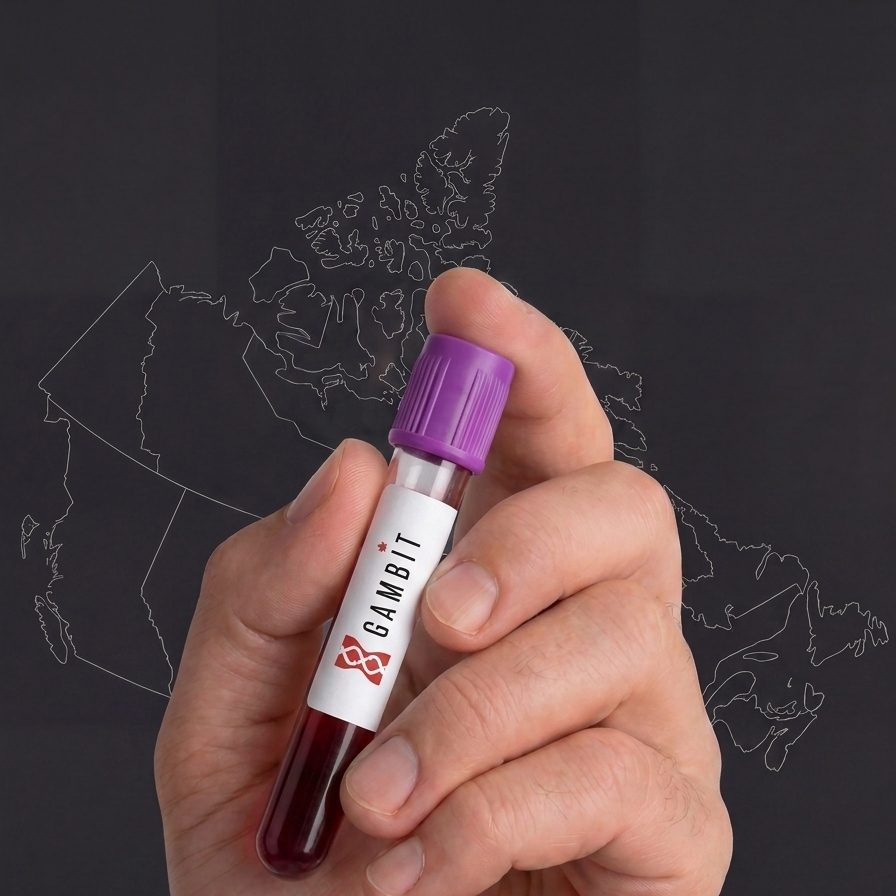
Complete your lab testing
When appropriate, blood collection is arranged through a certified partner laboratory in your province.
 03
03
Clinician review
A licensed clinician reviews your intake and lab results in context. Full comprehensive health report will be provided with findings.
 04
04
Review your next steps
You receive guidance on what your markers may indicate and what follow up may be clinically appropriate.
 05
05
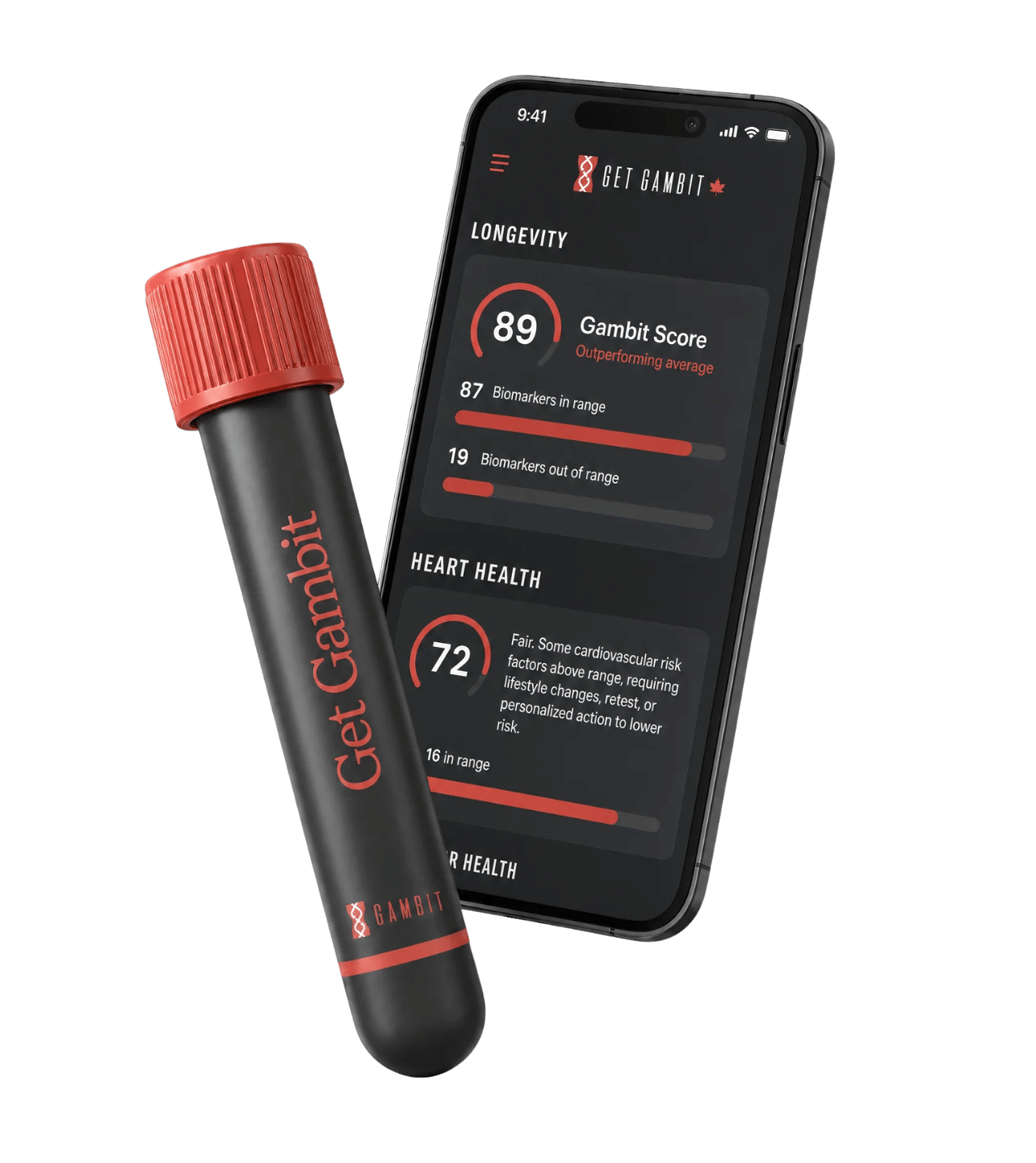
Track your health markers over time
Repeat testing and follow up can help monitor key biomarker trends over time.
More than just numbers.
Get a clearer view of your health with clinician guided interpretation and longitudinal biomarker tracking.
Understand your baseline
See where key markers sit today and how they relate to your health history and goals.

Track trends over time
Follow changes in relevant biomarkers across future assessments.

Prepare follow-up questions
Use your results to guide more informed conversations with licensed clinicians.

Support clinical decisions
Testing may help inform next steps when interpreted in clinical context by your clinician.


The Gambit difference.
Here's what makes us different.
- Our top internal medicine specialist, every panel
- Built for preventative care
- Tailored to your health goals
- Bloodwork that you can understand
Go deeper when you're ready.

Heavy Metals
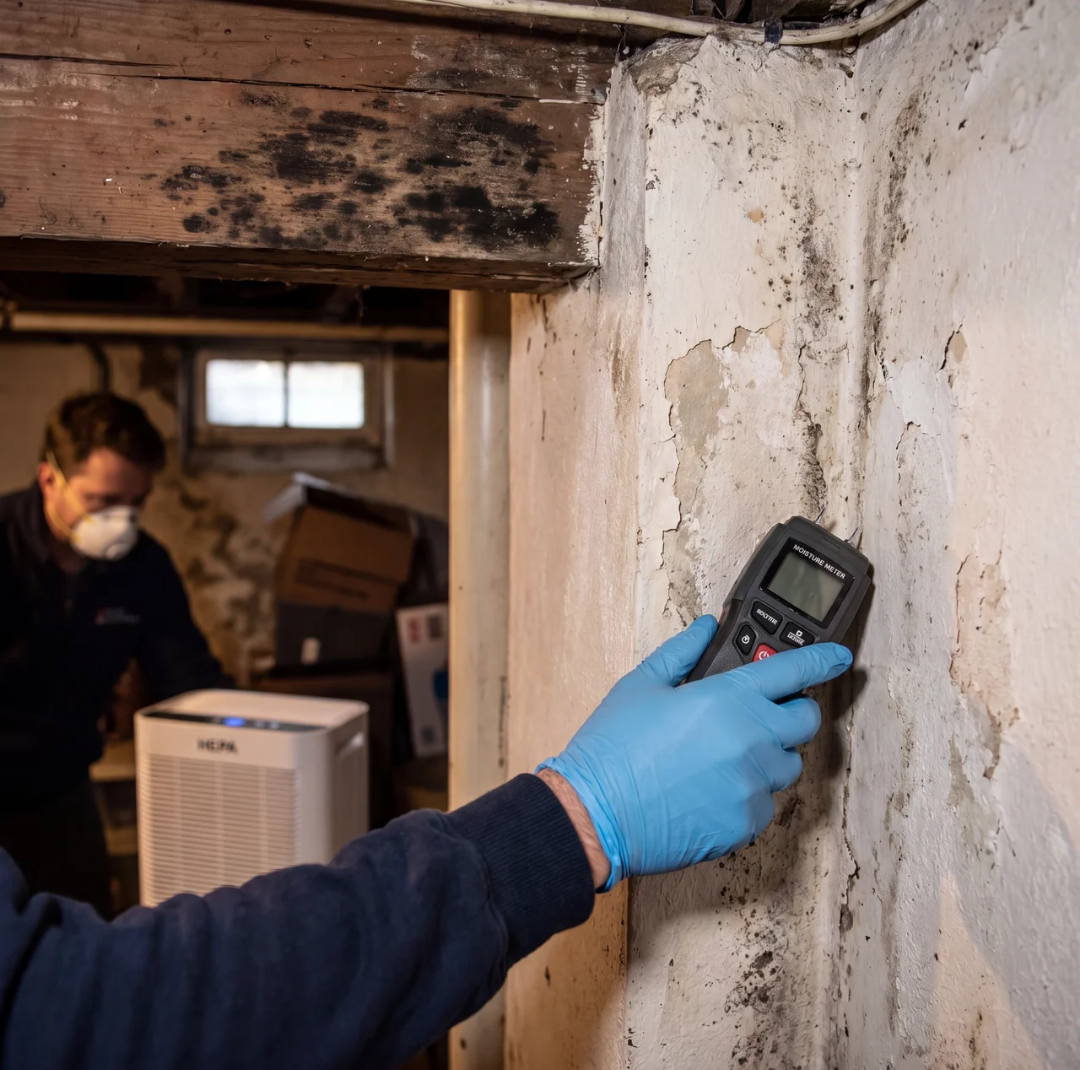
Environment & Mold Assessment
Mycotoxin Testing

Preventative Genetics

Food Sensitivity Testing (FST)
Single-Marker Add-Ons
Real patients. Real outcomes.
To be honest, I thought It was expensive at first, but I realized later on after my 90 day mark that it was worth every penny I paid for I've definitely put a few of my friends on and they're also doing amazing.
 Google
Great experience at Gambit Medical Clinic. The team is professional, knowledgeable, and you truly feel supported by a team who take the time to listen and provide quality care. The clinic is accessible 7 days a week, and being able to get a specialist review within 24-48 hours instead of waiting months makes a huge difference. Highly recommend
 Google
Great experience with Get Gambit Clinic. The team is professional, friendly, and very helpful. Everything was smooth and easy from start to finish. I've even added my wife to the program because of how good the experience has been. Highly recommend.
 Google
Gambit was amazing , it definitely changed my life. At first to be honest I thought I was paying too much until I started treatment. I was getting checked in on frequently. I had all my inquiries and calls answered with in 24 hours even on weekends. I had amazing check up time with proper care and proper explanation of my blood work. The quality of care is honestly very different from the clinic I came from and it's the best I have seen.
 Google
Very professional team and great service. They take the time to explain everything and make sure you're taken care of. Really happy with my experience
 Google
Great experience overall. The team at Get Gambit was professional, knowledgeable, and easy to work with from start to finish. Everything was explained clearly, and the process felt smooth and well organized. I appreciated the responsiveness and attention to detail throughout. Highly recommend to anyone looking for quality service and a reliable team.
 Google
Has been super good so far. Anytime I have any questions about anything they are always happy to help. The process was pretty straightforward and simple. Starting to feel much better.
 Google
This feels like how healthcare should be in 2026: efficient, digital, and personalized. Booking was easy, the consultation was smooth and totally free and the care plan made sense. From my first inquiry to my follow-up appointment, the customer service at Get Gambit exceptionally stood out, Eric has been very helpful. Every message was answered quickly and clearly. I never felt like I was chasing anyone for updates. The team made sure I understood each step and checked in afterward to see how things were going. That level of responsiveness makes a big difference.
 Google
Amazing sense of professionally combined with simple truths, combined with scientific fact. Everything modern day doctors should be
 Google
Highest level knowledge and patient service. So professional and 15/10 best medical staff and health knowledge. Thank you Gambit changes lives!
 Google
Awesome service. Quick to help and very well informed. 100% reccomend their services.
 Google
I will be 50 in a couple of months and found my energy to be declining even though I have not changed much to my sleep, diet and exercise routine. I have had the priviledge of working with Eric and Abdel and they are so awesome! The attention to detail with my program is amazing and they made me feel so comfortable through the whole process. I would highly recommend any man wanting to help increase their energy to contact Abdel or Eric at Get Gambit to help.
 Google

A clearer view of your health, built for executives.
Gambit Gold is our executive health membership for people who want deeper clinical insight, longitudinal tracking, and specialist-guided next steps.
Members receive scheduled video consultations with Dr. Hatem Salim, Get Gambit’s Medical Director and Internal Medicine Specialist. Your results are reviewed in context, with guidance on what your markers may indicate and what next steps may be clinically appropriate.
Gold helps build a longitudinal record of your health over time.





Assessed by a specialist within 48 hours.
Dr. Salim reads and analyzes every panel that's tested. He spent years training Canadian internists at Western University as a former Program Director of Internal Medicine before he joined Gambit.

Dr. Hatem S. Salim, MD, FRCPC
Medical Director & Internal Medicine Specialist
Internal medicine specialist & Associate Professor of Medicine, Western University. Reviews every patient’s bloodwork personally.

Issmaeel Lawendy, RPh
CEO & Chief Pharmacist, Founder
Experienced pharmacist and former Senior VP in Canadian pharma. Oversees pharmacy operations and patient medication plans.

Wala Al Shaikh Yasin, MS, RD
Registered Dietitian
Clinical dietitian specializing in individualized nutrition, diabetes management, weight management, and lifestyle change.

Shereen Hassib, MSc, RD
Registered Dietitian
Evidence-based nutrition guidance. Coaches patients on nutrition and lifestyle changes that support treatment outcomes.
High touch care, built in.
White-glove care is the default.

Dedicated care team
A consistent care team supports your assessment, follow-ups, and ongoing health goals.

Personalized care plan
Built around your lab results, medical history, health goals, and clinician review.

Ongoing monitoring
Regular check-ins and lab-based follow-up, with adjustments made by licensed clinicians if needed.